Directory of Links: 10 Best Picks for SaaS and AI
Submitting your startup to the largest directory of links you can find isn't a growth strategy. Start with directories that match your next customer, whether that's an early adopter testing a new AI tool, a business buyer comparing software, or an investor researching your company.
These audiences need different information. A launch platform needs a convincing demonstration and a founder who answers questions. A B2B review marketplace needs an accurate category, useful product details, and genuine customer feedback.
- Founder communities suit products whose makers can share useful lessons and participate beyond promotion.
- Alternatives databases suit software that replaces a recognizable tool or solves an established problem.
- Company-information profiles help people research the business behind the product, rather than evaluate its interface.
My recommendation is to treat directory submissions as distribution and presence management, not a shopping list of backlinks. A relevant profile with a qualified link can be worth maintaining even when it doesn't pass ranking credit.
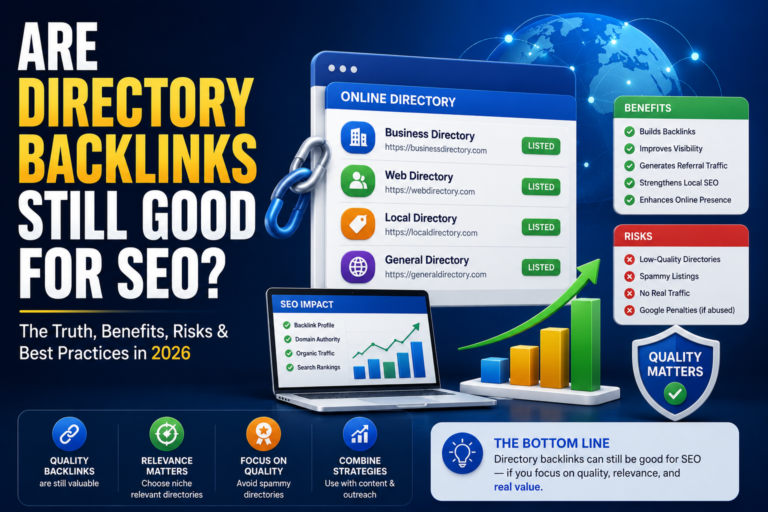
Google explicitly identifies low-quality directory links and automated link creation as link spam in its search spam policies. Choose platforms because people have a reason to use them, not because a spreadsheet promises authority.
Use resources such as Ever Outbound Inc. tools to organize your broader marketing research, but keep your submission shortlist tied to a specific audience and outcome.
The recommendations below prioritize founder stage, buyer intent, listing effort, and maintenance value. Start with the resources that fit your current product, then expand when you have the assets and customer evidence to make additional profiles useful.
Table of Contents
- 1. Product Hunt
- 2. G2
- 3. Capterra
- 4. BetaList
- 5. Indie Hackers
- 6. AlternativeTo
- 7. SaaSHub
- 8. Crunchbase
- 9. GetApp
- 10. SaaS Genius
- Top 10 Directory of Links Comparison Table
- Build a Durable Brand Footprint Beyond the Submission
1. Product Hunt
Choose Product Hunt for a launch, not a routine backlink task. Product Hunt combines technology-product discovery with community discussion, making it a strong fit for founders who can demonstrate their product and engage with early adopters.
Launch pages support descriptions, visuals, topics, and maker comments. Product pages remain available beyond the launch-day leaderboard, so write something that still makes sense after the announcement stops being new.
Prepare for questions, not just publication
A practical launch package should explain the problem, show the workflow, and identify who should try the product. For an AI meeting assistant, demonstrate how someone moves from a recorded conversation to a useful output instead of relying on broad claims about productivity.
- Cost and access: Posting is free. New accounts can face an initial waiting period unless they meet alternative access conditions, so check eligibility before committing to a launch date.
- Founder control: Makers can post their own products without finding a third-party hunter.
- Restrictions: The platform prohibits paying someone to hunt a product or send traffic to a launch.
The main cost is preparation and availability. Competitive visibility depends on community response, and an unattended launch wastes the opportunity to learn why visitors hesitate.
Launch rule: Submit when you can answer questions, resolve onboarding friction, and explain what makes the product useful.
Use the broader startup directory shortlist for follow-up coverage. Product Hunt should be a deliberate event within that plan, not a substitute for ongoing startup marketing.
2. G2
A business buyer comparing established software needs more than a launch announcement. Choose G2 when you have a usable B2B product and customers who can describe their experience.
G2 organizes software discovery around categories, comparisons, and user reviews. Vendors can claim a profile and manage basic product information for free, while additional seller packages are paid.
The buyer context matters. G2's survey of more than 700 B2B decision-makers found that 86% used peer-review sites when buying software, according to its buyer-research reporting.
Make the profile useful during evaluation
Populate the information a prospect would otherwise request by email: supported integrations, relevant features, pricing context, and the use cases your product serves. Review-based badges and reports belong to the evaluation process, but genuine customer participation is the foundation.
- Best fit: Established B2B SaaS with a clear category and customers ready to provide honest reviews.
- Eligibility limit: B2C products and products still in alpha or beta aren't eligible.
- Budget consideration: Paid seller-feature pricing may require contacting G2.
For example, buyers trying to find the best video editing tools need concrete differences between products, not interchangeable descriptions. Apply that same specificity to your profile.
A directory submission service can help with profile administration, but your team must supply accurate product information and own customer relationships. Don't outsource review authenticity or expect a claimed profile to generate demand by itself.
3. Capterra
Capterra belongs near the top of the list when customers already know your software category. A founder selling appointment scheduling software has a clearer starting point than a founder describing an unfamiliar product with no established buyer vocabulary.
Capterra supports business-software listings, product comparisons, ratings, and user reviews. Vendor accounts let teams manage listing information and monitor reviews, while paid options include sponsored profiles and lead generation.
Match the category before buying visibility
I'd resolve category fit before considering sponsorship. If prospects can't recognize their problem in your listing, paying for additional exposure won't fix the positioning.
For a scheduling product, explain the booking workflow, calendar integrations, and intended business type. Don't broaden the description into a generic operations platform to appear relevant to more categories.
- Useful features: Comparisons and reviews give prospects more context than a homepage backlink.
- Paid options: Sponsored placements are marked, making the distinction between paid exposure and other listings visible.
- Main limitation: Consumer apps and products without a defined business category are weaker fits.
Treat sponsorship as a separate acquisition decision. Assess the visitors and inquiries it produces against your sales process, rather than combining paid leads and ordinary directory referrals into a single success metric.
A SaaS directory submission workflow should preserve that distinction in its reporting. Record the profile as a maintained business asset, and evaluate paid programs independently.
Recommendation: Build an accurate listing first. Consider paid visibility only when your category, positioning, and conversion path are ready for buyers who are actively comparing options.
4. BetaList
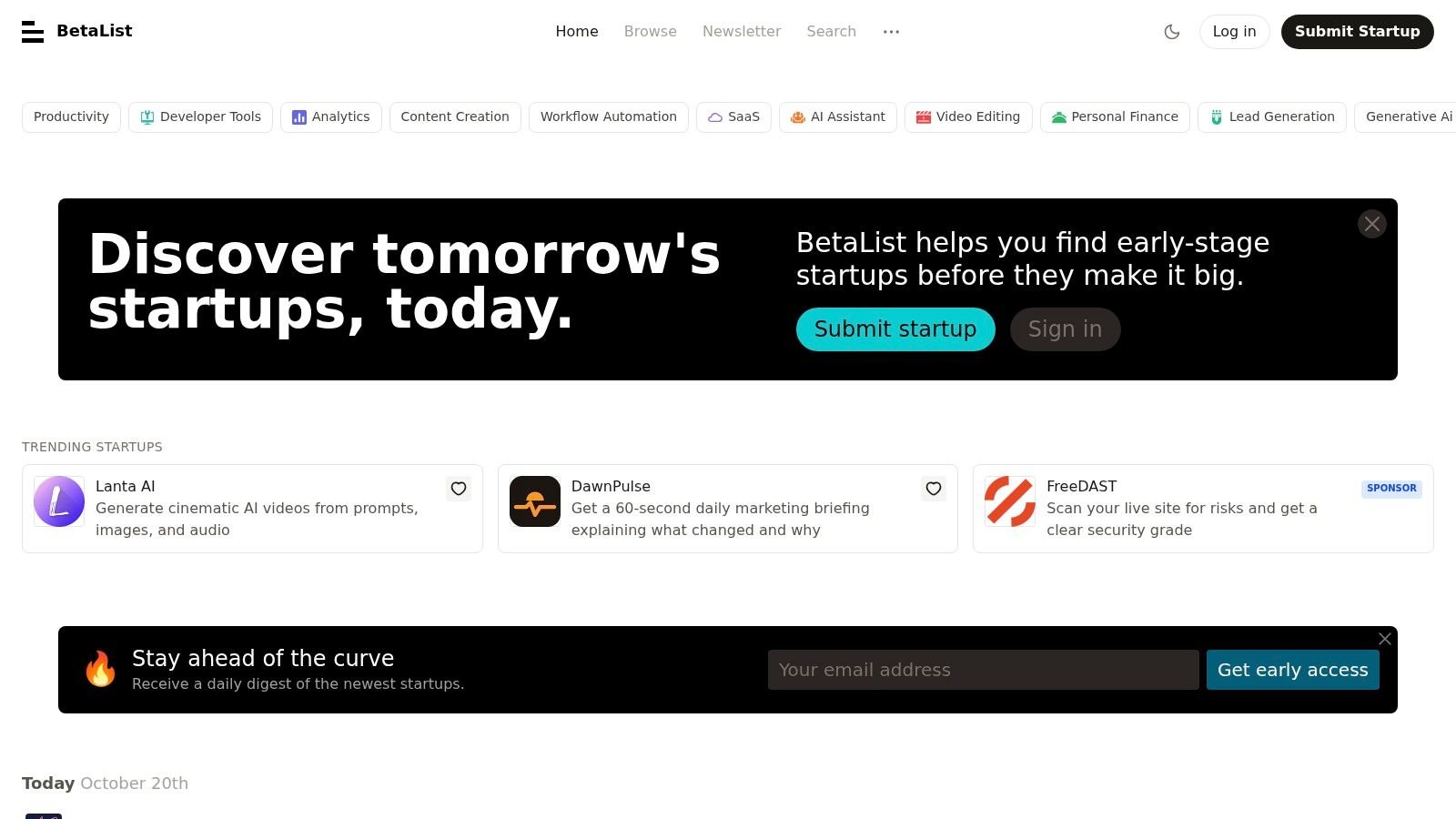
An early startup often needs people willing to test an unfinished proposition, not procurement teams requesting a mature feature checklist. BetaList is the better fit for that stage.
The platform focuses on upcoming and recently launched internet startups. Submissions undergo editorial review, and paid plans and current prices appear in the submission flow.
Spend for an early-adopter test
Use BetaList when you can state what you're testing and give visitors a clear next action. An AI research assistant might invite users to try a specific research workflow and report where the output needs improvement.
That's a better submission than an ambitious announcement attached to a confusing signup page. Early attention is only useful if someone can reach the product or understand the access process.
- Editorial selection: Paying doesn't guarantee that a submission will be featured.
- Refund policy: BetaList states that submissions not selected receive a full refund.
- Channel fit: This is startup discovery, not a substitute for customer reviews or software comparisons.
Check the current checkout terms before paying. Also prepare onboarding messages, a working feedback route, and a clear explanation of any product limitations.
Pay for a relevant audience and a useful test, not for an assumed SEO benefit.
If your budget is tight, compare BetaList's paid route with relevant free startup directories. Choose the channel that matches your immediate learning goal, and judge the result through qualified signups and feedback rather than listing approval alone.
5. Indie Hackers
Indie Hackers is most valuable when you want to participate as a founder. Treating it as a place to paste promotional copy misses the reason to be there.
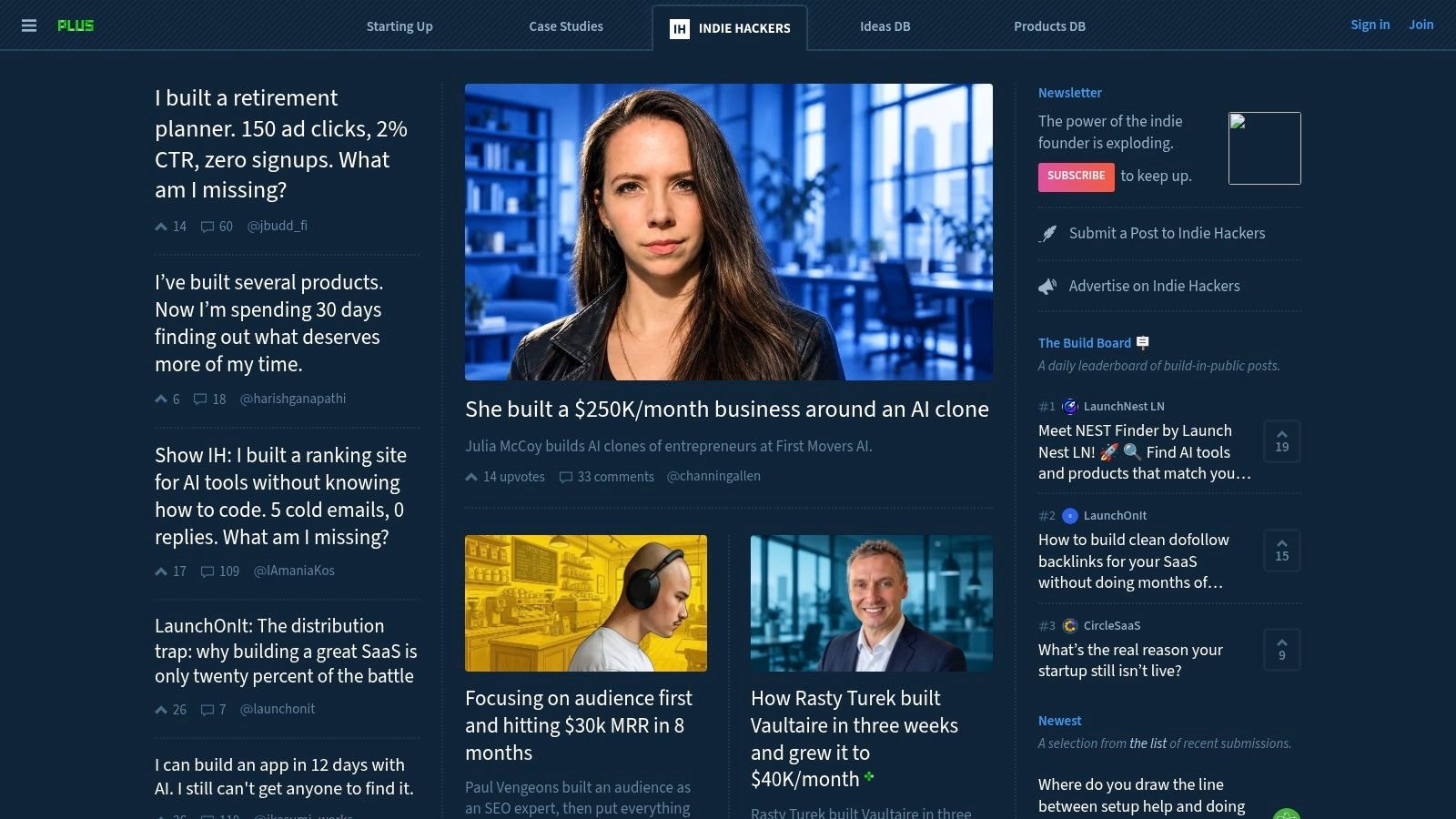
Indie Hackers combines a founder community with a database of products and businesses. Product listings can include category, business model, and founder-reported revenue, which makes the context particularly relevant to bootstrappers and solo makers.
Share the decisions behind the product
For an indie SaaS founder, useful participation could mean explaining why you narrowed your audience, removed a confusing feature, or changed the onboarding flow. Discuss the decision and its trade-offs without turning every contribution into a product pitch.
The product database gives that participation business context. It doesn't make a listing a predictable traffic source, and founder-reported figures shouldn't be treated as independently verified financial information.
- Strongest audience fit: Solo founders, bootstrapped teams, and makers interested in how businesses are built.
- Listing details: Category and business-model information help people understand the company.
- Fee check: A product-submission option exists, but the reviewed product page doesn't state a separate listing fee.
Use a documented directory submission process for administrative work, then keep community participation personal. A contractor can organize product assets; they can't replace your judgment about what you've learned while building.
Recommendation: Prioritize Indie Hackers when other founders are customers, collaborators, or relevant peers. Put enterprise-buyer marketplaces first when your next customer is a procurement-led organization.
6. AlternativeTo
Start with a concrete question: Which existing product would a customer replace with yours? If you can answer accurately, AlternativeTo deserves attention.
The site organizes software discovery around alternatives. Entries can include platforms, licenses, descriptions, and tags, helping visitors assess whether a product meets their requirements rather than merely noticing that it exists.
Explain the replacement honestly
Suppose you're building a lightweight project-management tool. Describe the workflows it supports, the platforms it runs on, and the limitations a migrating customer should know.
Don't label it an alternative to every recognizable productivity brand. A credible relationship between products matters more than attaching your name to popular searches.
- Submission requirements: You'll need an account and verified email, and submissions may enter a review queue.
- Community maintenance: Users can suggest applications and contribute corrections.
- Destination: Listings send users to official product websites rather than hosting downloads.
Approval isn't guaranteed. Products without a clear category or alternative relationship are less compelling, and personal profiles shouldn't be used as advertising space.
The founder advantage is intent alignment. Someone researching a replacement already has a problem to solve, so your description should help them decide whether switching makes sense.
Allocate time to accurate tags and supported-platform information before polishing promotional language. For startup SEO, the listing is most useful when it complements an honest comparison page on your own site, giving visitors a clear next step after they click through.
7. SaaSHub
Use SaaSHub as a comparison-oriented profile, not as proof that directory distribution is finished. SaaSHub supports software discovery and alternative-product comparisons, with a submission and verification workflow for founders.
Its product-management page also provides a route for submitting products to relevant directories. That broader submission feature is described as a work in progress, so don't base your entire distribution plan on it.
Keep the comparison specific
For a SaaS product, write the description around the job a buyer needs done. A customer-support tool should explain its channels, intended team, and workflow instead of presenting itself as a platform for every business function.
The management workflow gives your team a place to maintain product details. Use it to preserve accuracy as positioning changes, rather than leaving the initial launch copy untouched.
- Best fit: SaaS teams with an identifiable use case and meaningful software alternatives.
- Required effort: Submit and verify the product before relying on the management features.
- Practical limit: A published profile doesn't guarantee substantial referral traffic.
I'd prioritize the quality of the core listing before exploring additional submissions. Check the official website destination, category, screenshots, and wording from a buyer's perspective.
For LLM SEO and AI search optimization, keep the claim modest: consistent public product facts are sensible presence management, but this listing isn't a guaranteed route into recommendations.
Recommendation: Add SaaSHub after your central product description is stable. Maintain it alongside your other software profiles, and keep any broader directory-submission activity visible in your own reporting.
8. Crunchbase
An investor researching your company isn't asking the same questions as a user comparing task-management apps. Crunchbase serves the company-research side of your external presence.
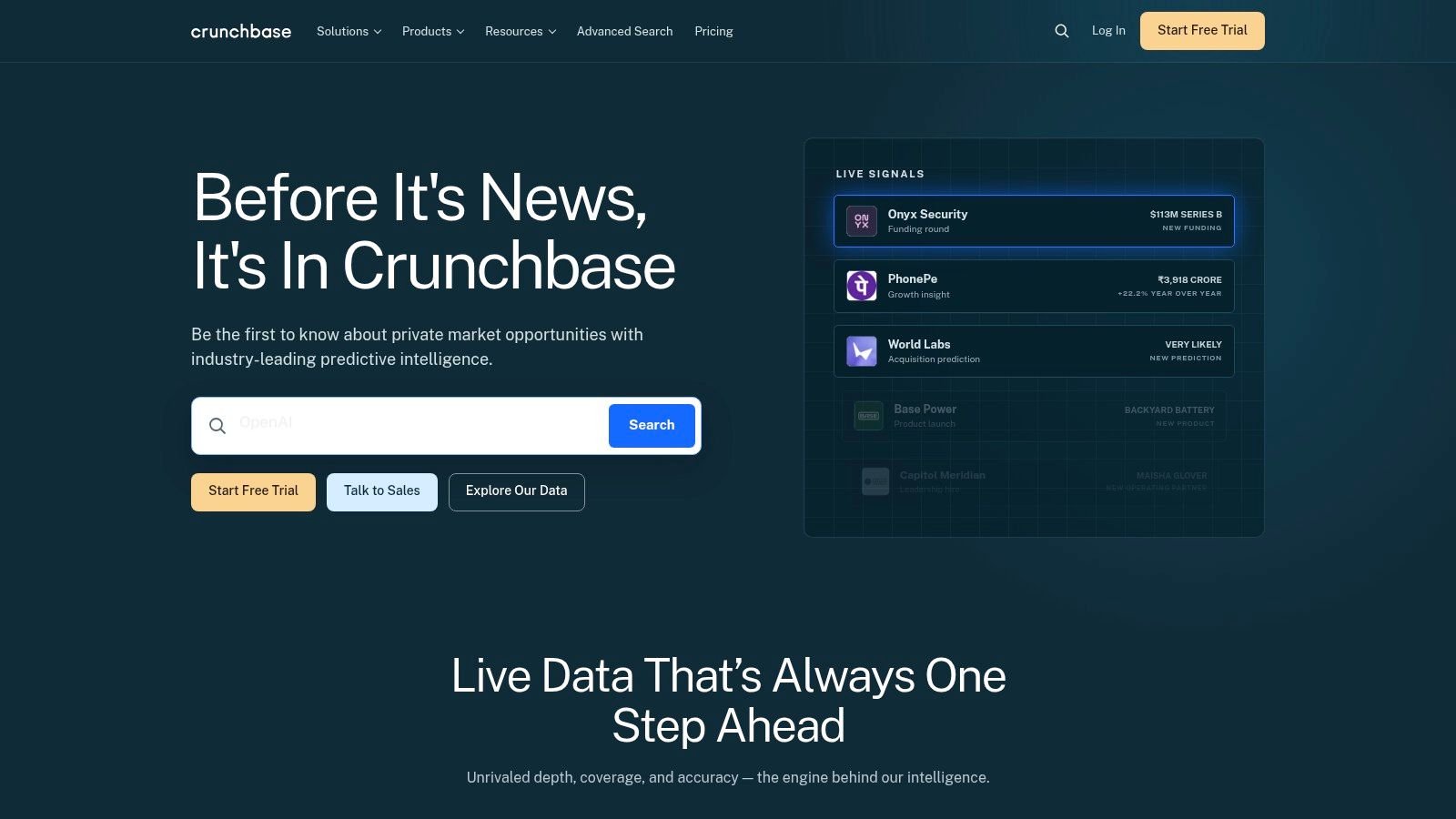
Its profiles emphasize company and startup information rather than launch discussions or detailed customer-review comparisons. Use it to complement product directories, not replace them.
Separate company identity from product positioning
Your company name, product brand, and official domain may not be identical. Make those relationships understandable instead of assuming an investor, partner, or researcher will piece them together.
A company description should explain what the business does and which market it serves. Product-specific claims, detailed feature comparisons, and customer reviews belong in complementary resources.
- Useful context: Company-oriented information supports research about a business, its leadership, or its market.
- Maintenance requirement: Check profile data for accuracy as the business changes.
- Access consideration: Some research and data features may require a paid plan.
Avoid making the profile look more established by adding unsupported business details. Missing information is preferable to a confident statement your team can't substantiate.
Accuracy standard: Someone researching the company should find facts that agree with your official website.
Prioritize Crunchbase when company-level research matters to fundraising, partnerships, or business development. For a solo maker still testing demand, an early-adopter channel may deserve attention first.
The durable value is a maintained company reference. It isn't a customer-review program, an active launch, or evidence that investors will discover the business without additional outreach.
9. GetApp
GetApp is worth the effort when buyers need to filter software against operational requirements. GetApp covers business-software categories and supports comparisons by features, integrations, ratings, and pricing model.
That changes how you should prepare the listing. Feature accuracy matters more than an elaborate brand story when a prospect is checking whether the product supports a required integration.
Complete the fields buyers use
For an invoicing product, identify the relevant capabilities and supported connections precisely. Don't mark a feature as supported because your team plans to build it or can approximate it through manual work.
GetApp includes verified user reviews and ratings. Profiles can include paid and non-paid providers, while sponsored profiles are identified and available for a fee.
- Strong fit: Business software with a recognizable category and clear purchasing requirements.
- Ongoing work: Reviews and ratings take time to build, so profile creation is only the starting point.
- Budget boundary: Treat sponsorship as paid acquisition, separate from non-paid profile visibility.
Compared with a basic startup listing, this profile needs more structured product information. Assign someone who understands the software to review fields before publication.
A founder shouldn't pay for sponsorship just to make a directory campaign look more substantial. First establish category fit, a useful destination page, and a way to distinguish inquiries from casual visits.
Recommendation: Prioritize GetApp when buyers compare practical requirements before contacting sales. Defer it when your category is unclear or your product information is likely to change before customers can evaluate it meaningfully.
10. SaaS Genius
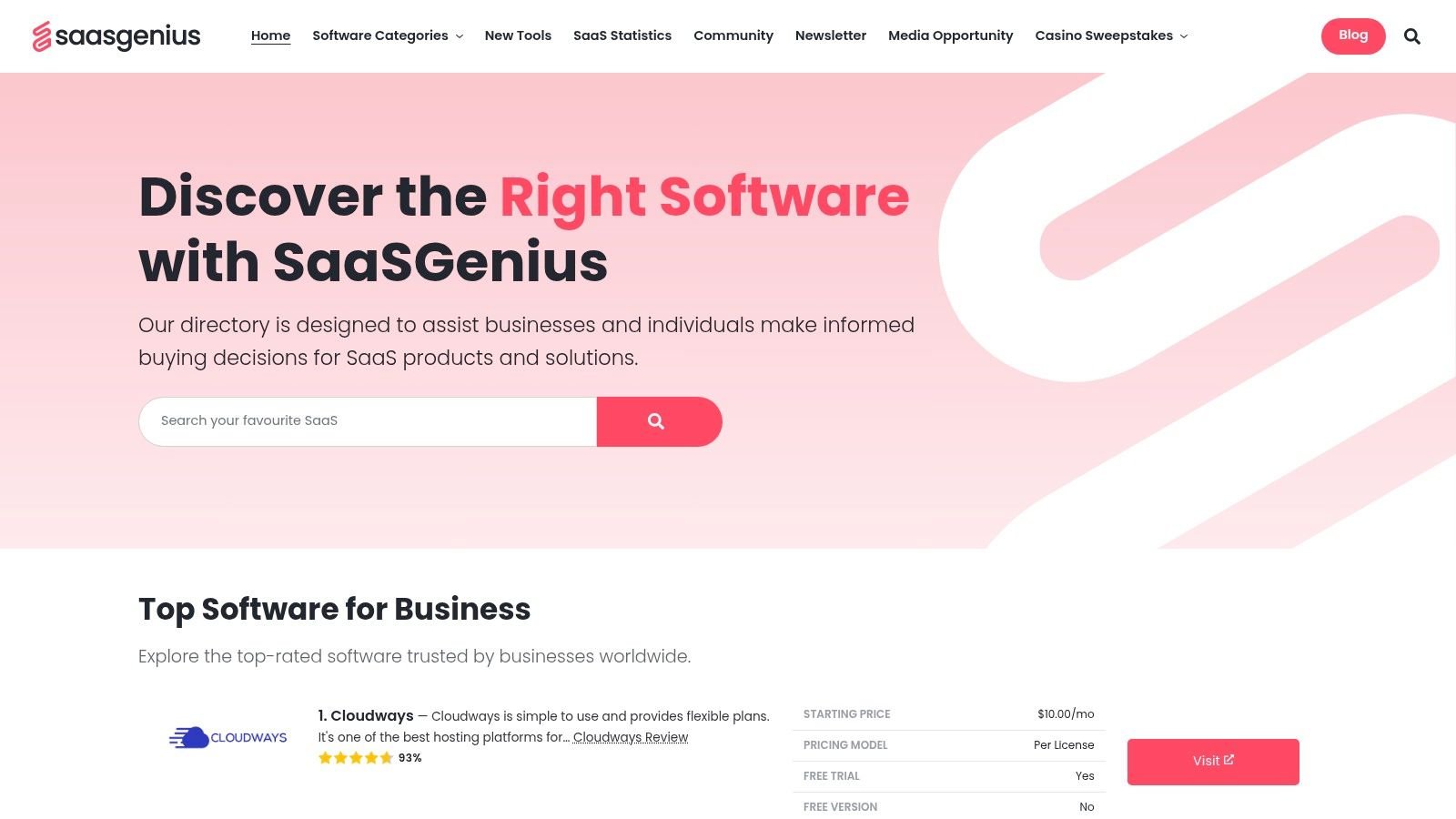
SaaS Genius is an additional software-specific profile, not the foundation of your acquisition strategy. SaaS Genius focuses on SaaS discovery and comparison through category-based browsing.
It suits teams that already have a clear description, accurate category, and prepared listing assets. Check current submission requirements and pricing on the official site before allocating time or budget.
Add coverage without adding maintenance debt
The submission itself is only part of the decision. Someone must also correct the listing when your pricing, positioning, product name, or screenshots change.
I'd add this profile after the higher-priority resources for your stage are complete. That's a workload recommendation, not a claim about comparative platform traffic.
- Reason to submit: SaaS-specific categorization gives the profile a relevant context.
- Reason to wait: Unclear fees, requirements, or category fit should be resolved before submission.
- Success condition: A correct, discoverable profile is the immediate deliverable, not guaranteed referrals or rankings.
Smaller directories can have less buyer reach than major review marketplaces. Assess the actual category pages and neighboring listings rather than assuming SaaS branding alone makes a resource valuable.
For an AI founder, describe the task the software performs, its intended users, and meaningful limitations. Don't replace those facts with a string of AI search keywords.
Recommendation: Use SaaS Genius to complement your maintained presence when the incremental effort is reasonable. Skip it if the profile would become an abandoned record or if submission costs aren't justified by your audience and coverage priorities.
Top 10 Directory of Links Comparison Table
| Platform | Best-Fit Audience | Core Value | Access / Pricing | Key Consideration |
|---|---|---|---|---|
| Product Hunt | Founders targeting makers and early adopters | Community-led launches, comments, and ongoing product pages | Free; new accounts generally wait a week to post | Visibility is competitive and launches require preparation |
| G2 | Established B2B SaaS vendors and business buyers | Software comparisons, customer reviews, and buyer trust signals | Free profile claiming; paid seller packages available | B2C and alpha/beta products are ineligible |
| Capterra | Business software with a clear category | Category listings, comparisons, ratings, and reviews | Paid sponsored profiles and lead-generation options | Value depends on category fit and review volume |
| BetaList | Early-stage startups seeking early adopters | Editorially reviewed startup discovery and potential feedback | Paid submission; refund if not selected | Acceptance is not guaranteed |
| Indie Hackers | Bootstrappers, solo founders, and indie SaaS teams | Founder community and product database | Submission available; separate listing fee not stated | Audience is more founder-focused than enterprise-buyer-focused |
| AlternativeTo | Products positioned as alternatives to known tools | Alternative discovery with detailed tags and platform information | Account and verified email required; price not specified | Review queue and fit determine listing prospects |
| SaaSHub | SaaS teams seeking comparison-oriented discovery | Software listings, alternatives, and product management tools | Submission and verification required; price not specified | Broader directory-submission feature is still in progress |
| Crunchbase | Startups seeking company-level visibility | Company profiles for investor, partner, and business research | Some research and data features may require a paid plan | Company-focused, not a product-review or launch platform |
| GetApp | Business software vendors with a defined category | Buyer filters, comparisons, ratings, and reviews | Sponsored profiles are paid; other provider access varies | Reviews take time to build; sponsorship is identified |
| SaaS Genius | SaaS products with a clear use case | SaaS-focused categories and product discovery | Check current submission requirements and pricing | Smaller directories may have less buyer reach |
Build a Durable Brand Footprint Beyond the Submission
The best directory of links becomes a manageable set of useful public profiles. Your objective is accurate discovery and credible evaluation, not the largest possible submission count.
Start by verifying the official domain and product category. Prepare a consistent core description, tag set, logo, screenshots, and product facts, then check for existing profiles before creating anything new.
Prioritize accuracy, approval, and measurement
Follow each platform's editorial rules rather than pasting identical promotional copy into every form. Keep the facts consistent while adapting the emphasis: launch story for Product Hunt, purchasing details for review marketplaces, and company identity for Crunchbase.
- Record submission status: Distinguish submitted, pending, accepted, rejected, and existing profiles.
- Verify live placements: Save the published URL and confirm the page is publicly accessible, correctly categorized, and accurate.
- Document link attributes: Record whether links are followed or qualified, without treating that attribute as the entire business case.
- Measure outcomes: Track referral visits, qualified conversions, and referring domains alongside profile accuracy and maintenance needs.
For paid placements, require appropriate link qualification. Google's guidance on link spam and qualified links explains that advertising and sponsorship links can remain compliant when marked with rel="nofollow" or rel="sponsored".
Outsource repetition, not judgment
Manual outsourcing makes sense when your positioning is settled but your team lacks time for repetitive forms, duplicate checks, categorization, screenshots, and final reporting. Give the provider approved assets, clear eligibility boundaries, and instructions to flag unsuitable platforms.
StartupSubmit is a relevant option for SaaS and AI founders seeking that administrative support. Its manual submission workflow includes duplicate-checking, categorization, and reporting, but founders should still review claims, approval status, and platform-specific requirements.
A manual process isn't permission to submit everywhere. Reject irrelevant categories, avoid keyword-stuffed descriptions, and don't confuse submission receipts with accepted placements.
Build evidence beyond directory profiles
Directory coverage alone won't solve AI discovery. A study of startup discovery found that referring domains and cleaned community presence correlated with visibility in a recommendation system, while its GEO score didn't correlate with actual discovery rates.
Treat that as a reason to combine structured profiles with independent mentions, genuine reviews, useful content, and relevant community participation. Correlation doesn't establish that buying submissions causes visibility, and no directory listing guarantees inclusion in AI Overviews or LLM-generated recommendations.
Choose the platforms that match your next customer, prepare the assets, and assign an owner for follow-through. Track branded-query appearances, AI citations, referral sessions, and qualified conversions so your traditional search and AI search work is judged by discoverability and customer outcomes, not a completed spreadsheet.
StartupSubmit offers manual directory submissions for SaaS and AI startups, with duplicate checks, categorization, and placement reporting. Visit StartupSubmit to review its service and decide which relevant profiles to delegate while your team focuses on customers, reviews, and product evidence.