Founders: Prioritize Referring Domains, Not Backlink Volume
A backlink is one hyperlink pointing to your site. A referring domain is the unique website hosting that link, no matter how many times it links to you. If you’re building an SEO strategy, prioritize growing your count of unique referring domains over chasing raw backlink totals. Ten links from one site help far less than one link each from ten different sites.
TL;DR:
- Growing the number of unique referring domains offers a more genuine long-term SEO benefit than simply increasing backlink volume from the same sources.
- A healthy backlink profile typically maintains a ratio of about 2:1 to 5:1 backlinks to referring domains, with higher ratios signaling over-concentration from few sources.
- Tools like Ahrefs, Semrush, and Google Search Console differ in counts, so tracking trends over time with one primary platform is best for accurate monitoring.
- Referring domains strongly correlate with higher organic visibility, as pages with zero referring domains rarely get significant Google traffic.
- Focusing on targeting high-authority directories, guest posting, and PR can increase meaningful referring domains while avoiding spammy, low-value link sources.
Backlinks vs Referring Domains: What’s the Real Difference?
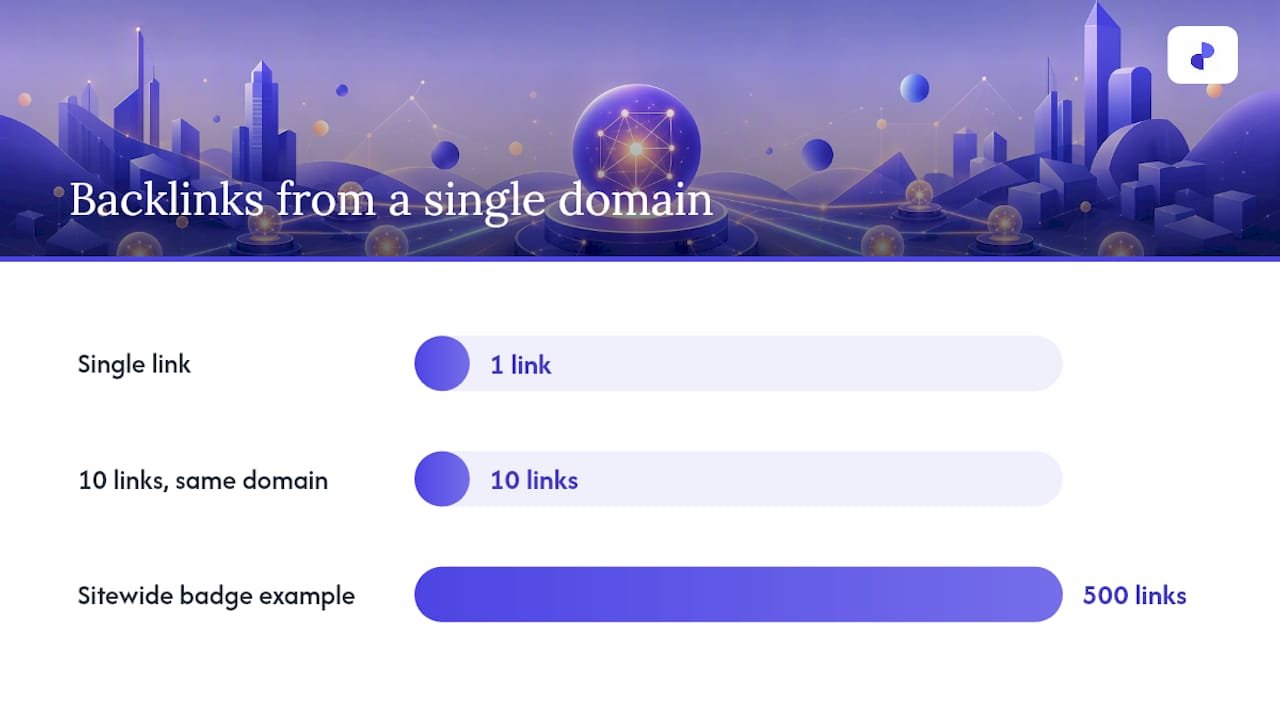
A backlink is a single hyperlink from an external page pointing to yours. That’s the whole definition, but the counting gets messy fast. A referring domain, by contrast, is the unique website hosting one or more of those links. Ahrefs’ own documentation puts it plainly: link once or link ten times from the same domain, you still have one referring domain.
A few things change how you should read a backlink count:
- Followed links pass ranking signal; nofollowed links generally don’t, though they can still drive referral traffic.
- Placement matters. A link buried in a footer or sidebar across every page of a site carries less editorial weight than one placed in the body of an article.
- Sitewide links can inflate your backlink number without adding a single new referring domain, since they all originate from one root domain.
That last point trips up a lot of people checking their numbers for the first time. A site with a widget or badge embedded across 500 client pages can generate 500 backlinks from a single referring domain overnight.
What Is a Referring Domain, Exactly?
A referring domain is the deduplicated version of your backlink count. Tools strip out the noise of repeat links from the same source and tell you how many distinct websites actually vouch for your content.
Picture a blog that links to your product page from three different posts, plus once more in its sidebar. That’s four backlinks. It’s one referring domain. The deduplication happens at the root domain level, so blog.example.com and shop.example.com typically count as the same referring domain since they share example.com as the root.
Here’s why the number matters more than people assume:
- One referring domain linking heavily still counts as a single vote of confidence, not many.
- Sitewide placements (footers, badges, “powered by” links) get folded into one count regardless of how many pages carry them.
- Different tools sometimes report different referring-domain totals for the same site because their crawlers and deduplication rules aren’t identical. Ahrefs Academy notes this is normal and expected, not a sign something’s broken.
Backlinks vs Referring Domains: When Should You Trust Each One?
Backlinks measure volume. Referring domains measure diversity, and diversity is the harder thing to fake. That distinction should guide how you read your own SEO reports.
Backlink counts mislead you in a specific, common scenario: one domain generates a wall of links through template placements, widgets, or a syndication network, and your dashboard shows growth that isn’t really growth. Your referring-domain count barely moves while your backlink count spikes, and that gap is the tell.
- A rising backlink count with a flat referring-domain count usually means concentration, not progress.
- A rising referring-domain count, even a modest one, tends to reflect genuine new endorsement from different corners of the web.
- Low-quality or spammy sources inflate backlinks fast but rarely produce lasting referring-domain growth from sites worth having.
Practical ratio check: A healthy backlinks-to-referring-domains ratio typically falls between 2:1 and 5:1, according to Ten Speed’s analysis of link profiles. Ratios climbing well past 5:1 usually point to a handful of domains doing most of the linking, which is worth investigating rather than celebrating.
How to Check Backlinks and Referring Domains in Ahrefs, Semrush, and Search Console
Checking both metrics takes a few minutes once you know where to look.
- In Ahrefs, open Site Explorer, enter your domain, and click “Backlinks” in the sidebar for the raw link list, or “Referring Domains” for the deduplicated view. Filter by “Dofollow” to see which links actually count for ranking signal.
- In Semrush, use the Backlink Analytics tool. The overview dashboard shows both totals side by side, and you can sort referring domains by Authority Score to spot low-value sources fast.
- In Google Search Console, go to Links under the left menu. It shows “linking sites” (a rough referring-domain equivalent) and total external links, but it won’t show link quality, anchor text distribution, or nofollow status the way Ahrefs and Semrush do.
Expect the three tools to disagree on exact numbers. Different crawlers see different slices of the web, so absolute counts vary even when the underlying trend is the same.
Pro Tip: Don’t chase an exact number across tools. Pick one platform as your source of truth, track its trend line month over month, and use a second tool only to sanity check a suspicious spike.
How Do Referring Domains and Backlinks Affect SEO Rankings?
Referring-domain count correlates with organic visibility more consistently than raw backlink count does. Semrush’s ranking-factor research found pages sitting in the number one spot tend to have substantially more referring domains, on average, than pages ranked further down. That’s a correlation, not a guarantee. Plenty of other factors decide rankings too. But it’s a strong enough pattern that it should shape where you spend link-building time.
There’s a sharper data point behind why referring domains matter at all: Ahrefs’ analysis of roughly a billion pages, reported by Search Engine Journal, found that most pages with zero referring domains get no organic Google traffic whatsoever. Zero unique domains linking in often means zero visibility, regardless of how good the content is.
Editorial diversity beats volume because Google reads a referring domain as an independent vote. Ten publishers linking to your research means ten separate editorial decisions that your content was worth citing. Ten links from one blog’s archive pages means one decision, repeated.
Track these as your core KPIs instead of a single backlink total:
- Net-new referring domains per quarter — the clearest signal of real link-building progress.
- Backlinks-to-referring-domains ratio — flag anything drifting well above 5:1 for review.
- Quality filters on new domains — check Domain Rating or Authority Score on each new referring domain, since a spike in low-authority domains isn’t the win it looks like on paper.
Best Practices to Grow Referring Domains That Actually Count
Not every link-building tactic adds a new referring domain, and some that look productive on a spreadsheet add almost nothing of real value.
- Publish original research or data. Unique data gets cited by journalists and bloggers who have nothing else to link to, which is one of the most reliable ways to earn links from domains you don’t control.
- Pitch targeted guest contributions. One well-placed guest post on a relevant, active site beats ten posts on low-traffic content mills.
- Run PR and editorial outreach around real news. A funding round, a product launch, or a genuinely useful study gives journalists a reason to link, not just mention.
- Get listed on curated resource pages. Editors who maintain “best tools” or “best resources” lists tend to keep them updated, which means a lasting link rather than a one-time mention.
- Choose quality directory listings over quantity. A handful of well-regarded, high-authority directories does more for your referring-domain count than dozens of low-authority ones with duplicate-checking gaps and thin descriptions, as covered on StartupSubmit’s directory list.
Skip automated spam directories, comment-section link drops, and repeated sitewide placements on low-authority sites. They pad your backlink count and do close to nothing for referring-domain diversity, which is the number that actually correlates with rankings.
Pro Tip: Set a quarterly target for net-new referring domains, not backlinks. A goal like “15 new referring domains this quarter” forces outreach toward diversity instead of volume.
What I’d Tell Any Founder Watching Their Link Reports
Report net-new referring domains as your headline number, not total backlinks. When a client or investor sees a backlink spike, show them the referring-domain count next to it. If one barely moved while the other jumped, say so. Re-run a link audit whenever that gap opens up, since concentration from one or two domains is the kind of pattern that looks like progress until it isn’t.
— Danish
Earn Real Referring Domains Without the Manual Grind
Building genuine referring-domain diversity through guest posts and PR outreach takes months of cold emails and rejections. Startupsubmit shortcuts the directory side of that work: a dedicated team manually submits your startup to over 220 high-authority directories, writes unique listing descriptions for each one, and checks for duplicates before anything goes live, which is the difference between a manual approach and the automated bot submissions that get flagged and rejected on sight.
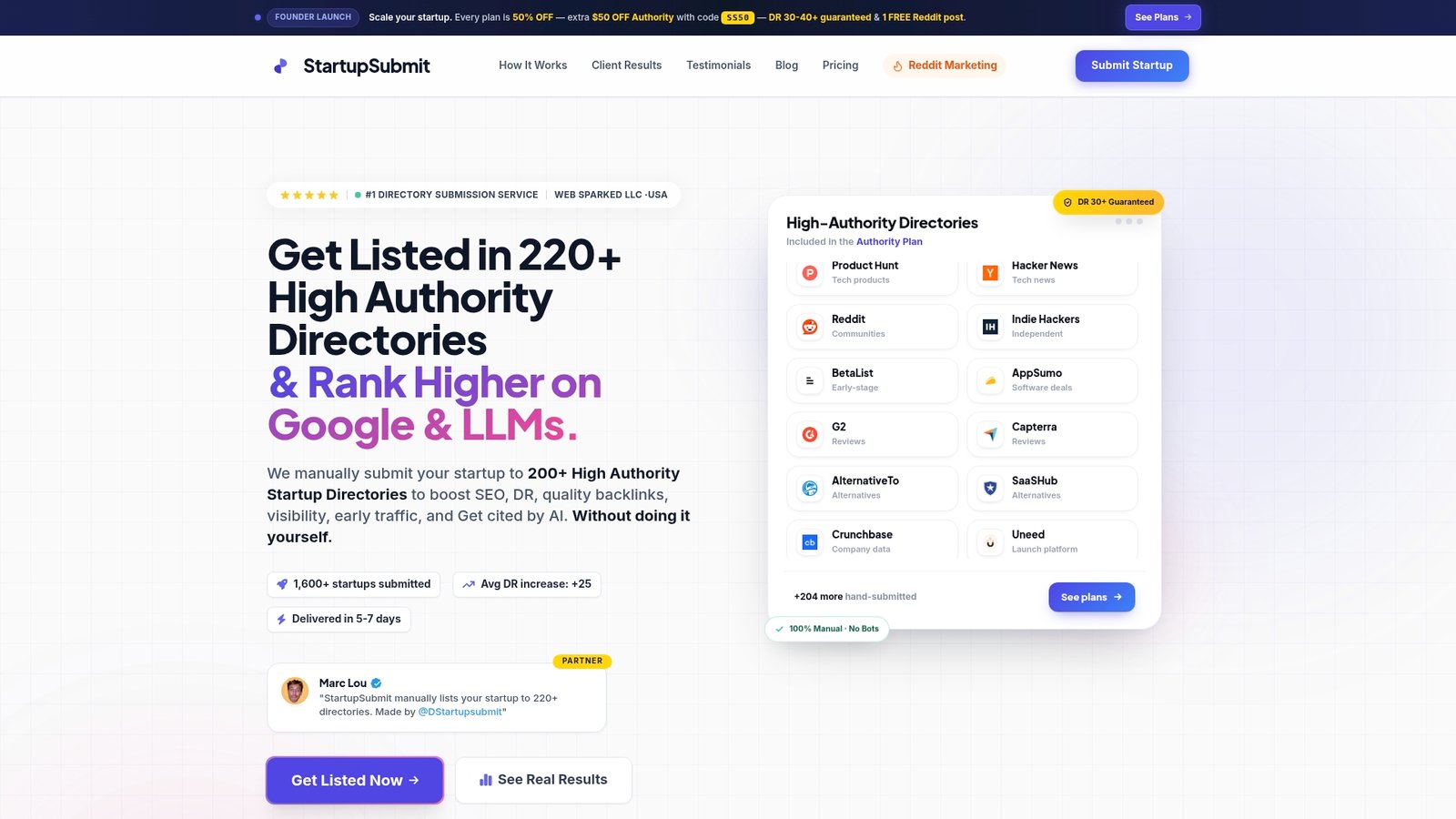
That matters because directories done wrong (bulk automated submissions, thin duplicate profiles) add backlinks without adding real referring-domain diversity, the exact trap this article just walked through. Done right, each accepted listing is a new, distinct referring domain from an established site, not a templated placement that inflates your count for nothing. Some startups have reported organic traffic growth shortly after listings go live. If you want to see the full directory list Startupsubmit works through, check the best startup directories breakdown, or go straight to Startupsubmit’s submission service to get your startup listed.
Sources
- What’s the Difference Between Referring Domains and Backlinks? | Help Center – Ahrefs
- What Are Referring Domains? + How They Affect SEO | Semrush
- Search Engine Journal summary of Ahrefs billion-page research
- Referring Domains vs Backlinks: What to Track, What to Skip | Ten Speed
FAQ
Are Backlinks Still Relevant in 2026?
Yes. Backlinks remain a core ranking input, but the pattern of who links to you (referring-domain diversity) now matters more than the raw count of links pointing at your site.
What Are Referring Domains in SEO?
A referring domain is the unique website linking to your site, counted once no matter how many individual links it contains, as opposed to a backlink, which counts every single link separately.
Can a Website Rank Without Backlinks?
It’s technically possible for a page with strong content and internal signals to rank for low-competition terms, but Ahrefs’ research on roughly a billion pages found most pages with zero referring domains get no organic Google traffic at all.
Are Backlinks Still a Thing?
Backlinks haven’t gone away, but treating them as the only metric that matters is outdated. Referring-domain count and quality now carry more weight in how search engines and SEOs judge a link profile’s real strength.