
One Session NAP Consistency Audit for Local Marketers
NAP consistency means your business’s name, address, and phone number read exactly the same on every listing, from your website to Google Business Profile to the smallest niche directory. Mismatched details confuse search engines and cost you customer trust, which erodes trust in a brand for the majority of consumers who spot the error. Stop reading in five minutes, and pull up your Google Business Profile against your website footer. That single comparison is your audit’s starting point.
TL;DR:
- Major errors such as transposed digits, stale addresses, or incorrect legal names significantly harm search rankings and customer trust, while minor formatting inconsistencies are tolerated.
- Prioritize fixing your Google Business Profile and top review sites first, as they carry the most weight in search visibility and customer perception.
- Conduct quarterly audits focusing on high-traffic listings, duplicate suppression, and aggregator errors to prevent gradual citation drift across multiple platforms.
- Managing multiple locations or extensive citations typically benefits from automated tools or manual submission services to ensure accuracy without excessive staff hours.
- Ongoing maintenance and regular re-audits are essential, as citation inconsistencies tend to reappear unless actively monitored and corrected.
Table of Contents
- What Nap Consistency Actually Covers
- Why Nap Accuracy Drives Local Rankings And Customer Trust
- How To Audit Your Nap Consistency Step By Step
- Common Nap Citation Issues To Watch For
- How To Fix Nap Inconsistencies: A Repair Workflow
- How Often Should You Monitor Nap Consistency?
- How A Manual Directory Submission Service Fits In
- What Most Local SEO Advice Gets Backwards
- Get Your Listings Cleaned Up Without The Login Chase
- Sources
What Nap Consistency Actually Covers
“Name” isn’t just your brand word mark. It’s the exact legal or DBA name search engines expect to see everywhere, character for character. “Address” covers street number, suite, city, state, and ZIP, formatted the same way each time. “Phone” means the number itself, plus whether you’re using a local area code or a call-tracking line that doesn’t match your primary listing.
Citations for these three fields show up in more places than most owners realize:
- Your own website (header, footer, contact page, schema markup)
- Google Business Profile, Apple Maps, and Bing Places
- Data aggregators like Data Axle, Foursquare, and Neustar Localeze
- Industry directories, chambers of commerce, and startup or niche listing sites
- Review platforms such as Yelp, TripAdvisor, or industry-specific review hubs
- Social profiles on Facebook, Instagram, and LinkedIn
Not every mismatch carries equal weight. Writing “St” instead of “Street” or “Ste 200” instead of “Suite 200” rarely moves the needle. What actually damages you are substantive errors: a transposed digit in the phone number, an old street address still live on a directory you forgot existed, or a legal name that doesn’t match your storefront signage at all. Minor formatting differences get tolerated by search engines far more readily than a wrong digit or a stale address, so triage your fixes accordingly.
Why Nap Accuracy Drives Local Rankings And Customer Trust
Citation signals sit among the top-ranked factors search engines use to confirm a business is real and locatable, according to industry ranking surveys tracked by Moz. When your listings agree, Google has an easier time matching your business to the right entity and surfacing it confidently in the Local Pack.
When they don’t agree, two things happen at once. Search engines hedge, sometimes suppressing a listing they can’t verify, and voice assistants pull from whichever version they trust most, which might not be your current one. Consistent NAP data raises the odds that voice assistants and AI tools return your correct contact details instead of an outdated number a customer then dials in frustration.
The trust gap is measurable in behavior, not just rankings. A Search Engine Watch survey found that a large share of consumers lose trust in a brand after encountering inaccurate contact information online, and lost trust translates directly into:
- Calls that go to a disconnected tracking number instead of your front desk
- Drivers following an old address to a location you closed two years ago
- Shoppers abandoning your listing for a competitor with cleaner, more current data
None of this requires a big-budget fix. It requires knowing where your listings disagree, which is exactly what an audit gives you.
How To Audit Your Nap Consistency Step By Step
Run this in one sitting. You don’t need special software to start, though tools help once you scale past a handful of listings.
- Set your canonical NAP first. Write down the exact name, address, and phone number you want everywhere, formatted the way you’d want a customer to read it aloud. This becomes your master record for every comparison that follows.
- Check the highest-traffic listings first. Google Business Profile, your website, and your top two or three review sites (usually Yelp and one industry-specific platform) carry the most weight and the most eyeballs.
- Search your own business name plus city in quotes. This surfaces directory listings you may have forgotten you claimed, sometimes years ago.
- Run a site-specific search on major aggregators. A quick search like
site:yelp.com "Your Business Name"catches duplicate or outdated profiles fast. - Bring in an automated tracker for scale. If you have more than a dozen listings or multiple locations, a citation tool will flag discrepancies faster than manual checking. Practitioner guidance favors automated detection followed by manual correction on priority listings rather than one or the other alone.
- Log every discrepancy in a simple spreadsheet. Note the listing, the field that’s wrong, and whether it’s cosmetic or substantive.
- Triage by impact. Sort fixes so GBP and top directories get handled before long-tail citation sites that see little traffic.
Pro Tip: Screenshot every listing before you edit it. If a correction gets rejected or reverted by a directory’s moderation team, you’ll want proof of what you submitted and when.
Manual checking works fine for a single-location business with a short listing footprint. Once you’re managing multiple locations or dozens of citations, the spreadsheet method turns into a part-time job, and that’s the point where automated tracking earns its cost.
Common Nap Citation Issues To Watch For
Most inconsistencies fall into a few repeat offenders, and once you know the pattern, they’re easy to spot.
- Name mismatches. A DBA name on your storefront doesn’t match the legal entity name on a directory, or one listing uses “&” while another spells out “and.”
- Address drift. A missing suite number, a PO box substituted for your street address, or a location that moved two years ago but never got updated on a legacy directory.
- Phone number confusion. Call-tracking numbers used for ad campaigns get indexed instead of your main line, or a formatting quirk hides a transposed digit.
- Duplicate listings. Two Google Business Profile entries for the same location, often created when a previous owner or agency set up a listing that never got merged.
- Aggregator-sourced errors. Data providers like Data Axle push stale information to dozens of smaller directories at once, so one bad source multiplies fast.
Each of these is fixable, but duplicates and aggregator errors take longer to resolve than a simple field edit, so budget more time for those.
How To Fix Nap Inconsistencies: A Repair Workflow
Fix in order of visibility and traffic, not the order you happen to discover problems.
- Correct Google Business Profile first. It’s the listing customers see most often and the one search engines lean on hardest.
- Update your top review sites next. Yelp, industry-specific platforms, and any site with meaningful traffic to your business.
- Move to major directories and aggregators. Prioritizing GBP and top review sites before national directories and aggregators reduces the time it takes to see visibility improvements, so don’t skip the order.
- Request merges for duplicate listings rather than trying to delete one and hope the other survives. Most platforms have a formal merge request process.
- Contact data aggregators directly if stale information keeps reappearing after you’ve fixed the downstream listing. The source feed needs correcting, not just the symptom.
- Document every change in your audit spreadsheet, then re-check the listing in four to six weeks to confirm the correction actually propagated.
Pro Tip: Aggregator refreshes can take a full quarter to ripple through smaller directories. If you fixed something last month and it still shows the old number somewhere obscure, that’s often just lag, not a failed edit.
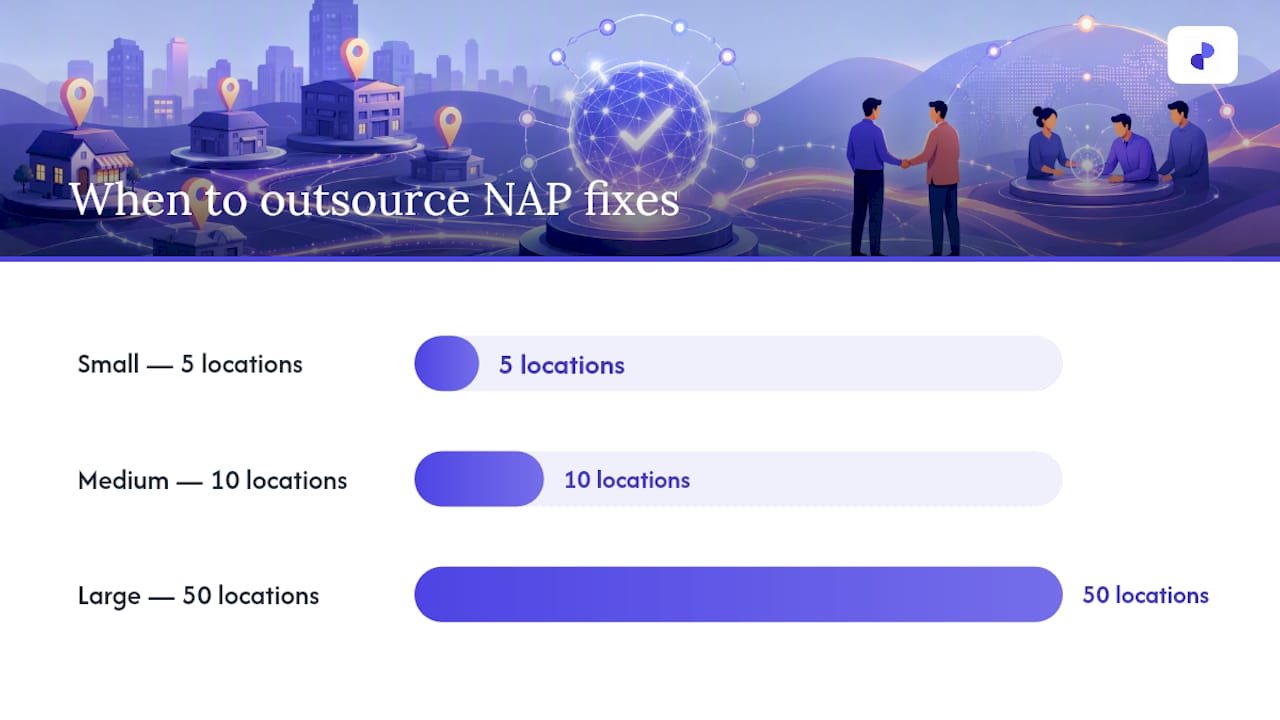
If you’re managing this across five, ten, or fifty locations, or you simply don’t have the staff hours to chase down two hundred directory logins, that’s the point where a manual submission service starts to make more sense than another round of DIY fixes.
How Often Should You Monitor Nap Consistency?
Quarterly audits are the baseline most local SEO practitioners recommend for a single-location business, with an extra check any time you move, rebrand, or change phone providers. CallRail’s guidance on citation management treats that quarterly rhythm as the point where drift gets caught before it causes a quiet ranking decline.
Watch three numbers over time:
- Consistency rate across your tracked listings, ideally trending toward 100%
- Duplicate count, which should shrink, not grow, quarter over quarter
- Google Business Profile impressions and calls in the weeks following a cleanup, since a jump here confirms the fixes actually worked
For tools, think in categories rather than brand names: citation management platforms for ongoing tracking, aggregator correction services for feed-level fixes, and manual submission services for building out new, high-quality citations from scratch. A tool like BabyLoveGrowth’s citation audit can help you spot AI and search visibility gaps worth checking each quarter. Free checks work for spot audits; paying for a service makes sense once you’re juggling more locations or listings than you can realistically track by hand.
How A Manual Directory Submission Service Fits In
Automated, bot-driven submission tools tend to produce thin, duplicate-prone listings that directories flag or reject. A manual approach, where someone actually writes a unique profile and picks the right category for each directory, gets accepted more often and creates fewer aggregator errors down the line.
That’s the model behind Startupsubmit’s directory submission service: human-written listings, canonical NAP data applied consistently, and placement reporting across 200+ directories. It fits best when you’re short-staffed, managing multiple locations, or need a citation cleanup done in weeks rather than months of manual logins.
What Most Local SEO Advice Gets Backwards
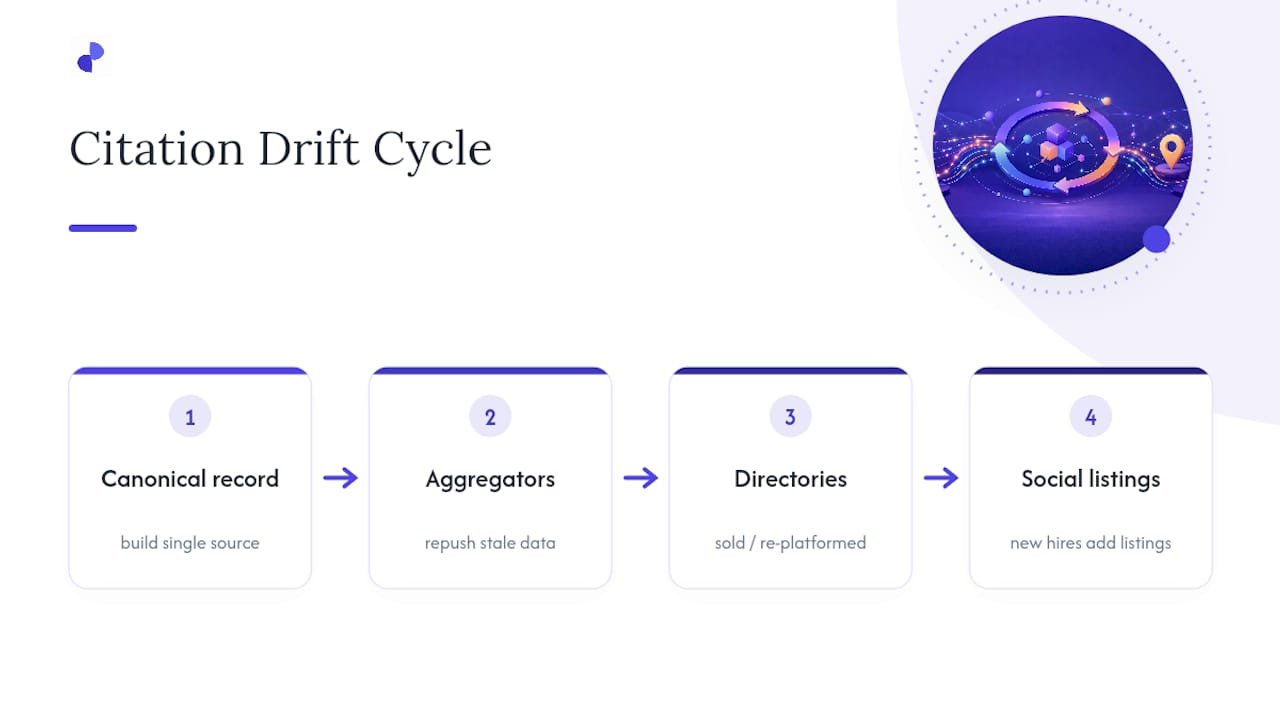
Most guides treat NAP consistency like a one-time setup task. Fix it once, move on. That’s backwards. Citation drift is constant, aggregators repush stale data, directories get sold and re-platformed, and a single new hire adding a “helpful” social listing can undo a month of cleanup in an afternoon.
The advice that actually holds up is duller than most content makes it sound: build a canonical record, check the handful of listings that carry real traffic, and treat quarterly re-audits as non-negotiable maintenance, not an optional extra. Businesses that skip the recheck almost always find new drift within two quarters.
Where I’d push back hardest is on the instinct to fix everything yourself before considering outside help. DIY works fine for one location and a short citation list. Past that, the math flips. The hours spent chasing login credentials across fifty directories cost more than what a manual submission service charges to do it right the first time. Prioritize your highest-traffic listings this week, and decide honestly whether your team has the bandwidth to maintain the rest.
— Danish
Get Your Listings Cleaned Up Without The Login Chase
If the audit above turned up more broken listings than you have hours to fix, a manual submission service can handle the legwork instead of handing you another spreadsheet. It’s the alternative to chasing many directory logins yourself: a dedicated team manually submits your canonical name, address, and phone number to multiple high-authority directories, checking for duplicates and picking the right category on each one, then reports back on where you landed.
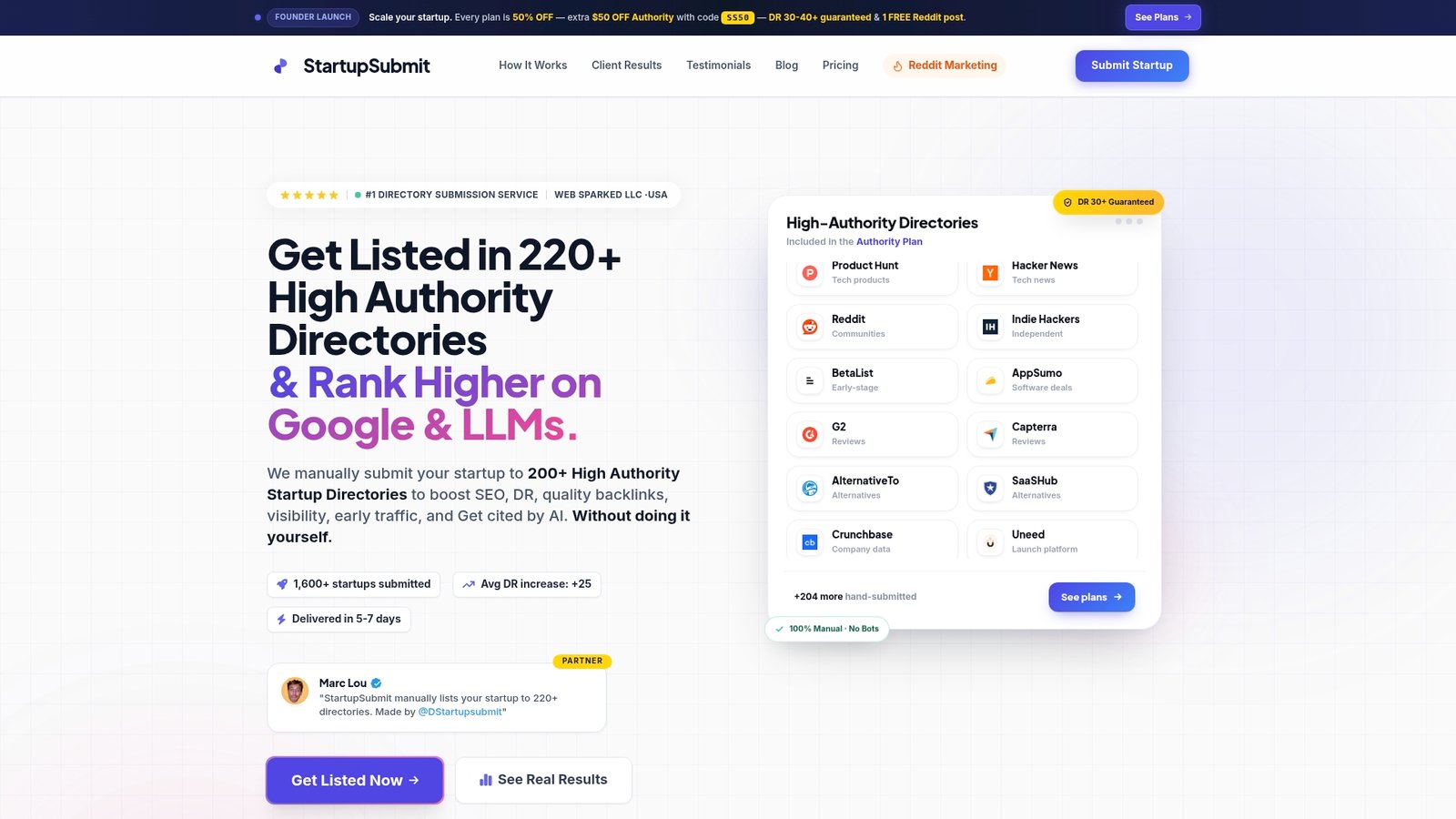
That matters most if you’re managing multiple locations, just rebranded, or simply don’t have a marketer with a free week to spare. Some clients have reported significant increases in organic traffic after their listings went live across the network. Check the directory submission service page to see what’s included, or compare packages on the directory submission plans page before you commit.
Sources
- What is NAP in Local SEO? – Moz
- Survey: Inaccurate local business listings erode trust – Search Engine Watch
- What is NAP Consistency? How Does NAP Affect Local … – CallRail
- What is NAP and why is NAP consistency important? – BrightLocal
Recommended
- StartupSubmit vs LaunchDirectories (2026): Honest Directory Submission Service Comparison
- StartupSubmit vs SubmitSaaS (2026): Honest Directory Submission Service Comparison
- StartupSubmit vs AIDirectories (2026): Honest Directory Submission Service Comparison
- StartupSubmit vs ListingBott (2026): Honest Directory Submission Service Comparison