
Startup SEO for Beginners: How to Get Backlinks and Actually Rank on Google
Most founders pour months into building a product — then watch it sit invisible on page four of Google. If that sounds familiar, you’re not alone. Getting traction from search engines is one of the hardest early challenges for any new startup, and most SEO advice out there is written for established businesses with big budgets and bigger teams.
This guide is different. It’s built specifically for startup SEO for beginners — covering everything from your first backlink strategy to directory submissions, on-page basics, and ranking tips that work even when you’re starting from zero. By the end, you’ll have a clear startup SEO checklist you can actually act on this week.
Services like StartupSubmit exist precisely because this process is time-consuming for busy founders. But before we get there, let’s talk about why SEO matters so much — and so early.
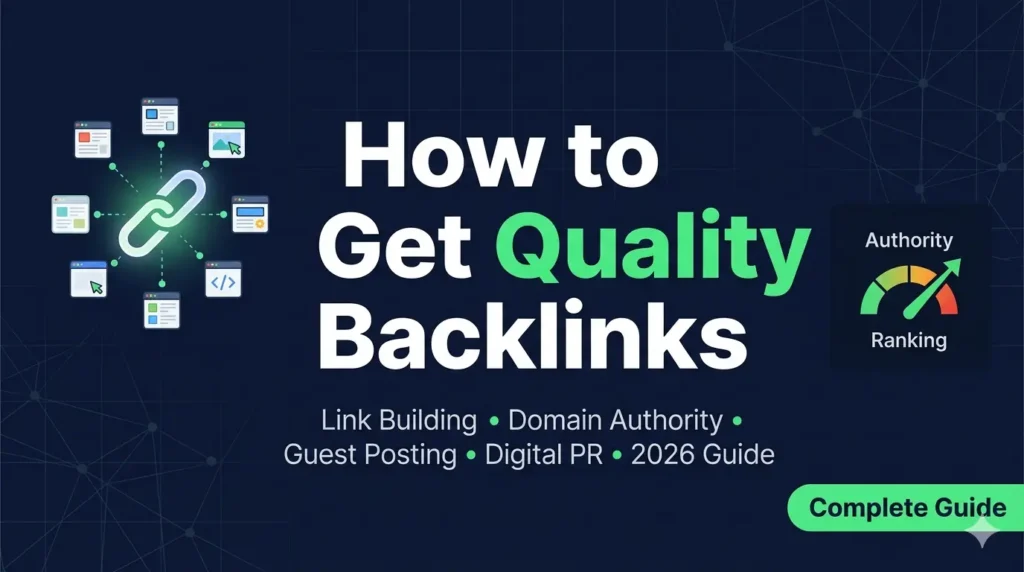
Why Startup SEO Matters Before You Have Traffic
Waiting until you have users to start SEO is one of the most expensive mistakes a founder can make. SEO compounds over time. Every backlink you earn today will quietly build authority for months and years ahead. Start late, and you hand that compounding advantage to competitors who started earlier.
Moreover, organic search converts better than almost any other channel. Visitors who find you through Google are already searching for what you offer. That intent-driven traffic is far more valuable than cold social media impressions.
Understanding how Domain Rating works — Ahrefs’ measure of a site’s backlink authority — helps clarify why early SEO investments pay off. New sites start at DR 0. Raising that number even modestly unlocks ranking potential across dozens of keywords you’d otherwise never appear for.
The Authority Gap New Startups Face
New startup websites face a structural disadvantage: they have no backlinks, no domain history, and no trust signals. Google’s algorithm uses these factors heavily when deciding which pages to rank. A site with a DR of 40 will almost always outrank a site with DR 5 — even if the content is similar.
This gap is real, but it’s also closeable. Founders who understand how Google’s search ranking works can prioritize the highest-leverage activities rather than spreading themselves thin across every SEO tactic.
For most early-stage startups, the fastest path to closing that authority gap is earning quality backlinks quickly — and directory submissions are one of the most reliable ways to do it.
How Backlinks Help Startups Rank Faster
Backlinks act as votes of confidence from other websites. When a high-authority platform links to your startup, Google interprets that as a trust signal. Enough of those signals, from enough credible sources, and your pages begin climbing in search results.
The key phrase here is “high-authority.” A link from a well-known directory like Product Hunt or G2 carries far more weight than a dozen links from obscure, low-quality sites. Quality always beats quantity — especially for startup SEO for beginners who are working with limited time and resources.
Understanding this helps you focus. Instead of chasing hundreds of random backlinks, you build a targeted startup backlinks strategy around platforms that are already trusted by Google. That’s where directory submissions come in — and we’ll cover those in detail shortly. You can also review how directory submissions help SEO to get a deeper picture before diving in.
Your Startup SEO Checklist: Where to Begin
Before building backlinks, your website needs a clean technical foundation. Backlinks pointing to a slow, broken, or poorly structured site won’t deliver full value. Think of technical SEO as the floor — backlinks are the walls you build on top of it.
Technical SEO Basics Every Founder Should Know
Here’s a quick startup SEO checklist for technical fundamentals:
- Site speed: Use Google PageSpeed Insights to test load time. Aim for under 2.5 seconds.
- Mobile-friendliness: Most Google searches happen on mobile. Your site must look and work well on a phone.
- HTTPS: A valid SSL certificate is non-negotiable. Unsecured sites get penalized.
- XML sitemap: Submit one through Google Search Console so Google can crawl your pages efficiently.
- Crawl errors: Check Search Console regularly for 404 errors or pages Google can’t access.
- Canonical tags: Prevent duplicate content issues, especially on SaaS sites with dynamic URLs.
None of these require a developer. Most can be handled through tools like Yoast, Rank Math, or your CMS’s built-in settings.
On-Page SEO Tips for Startup Websites
On-page SEO means optimizing the content and structure of each individual page. For a new startup, start with your homepage, pricing page, and any core product pages before worrying about the blog.
Each page should target one primary keyword. Place that keyword in the page title, meta description, H1 heading, and naturally within the first paragraph. Additionally, use related keywords (LSI keywords) throughout the content to signal topical relevance to Google. Keep meta descriptions under 155 characters and make them compelling — they appear in search results and influence click-through rates.
Importantly, write for humans first. Google’s algorithms are sophisticated enough to reward genuinely useful content. Keyword stuffing hasn’t worked for years and actively hurts rankings now.
How to Get Backlinks for a Startup (Without Paying for Ads)
The most common question founders ask about SEO is also the most important: how do you get backlinks when you’re brand new? Paid ads generate traffic instantly, but they stop the moment you stop paying. Backlinks generate lasting authority that compounds indefinitely.
Here are the highest-leverage startup backlink strategies for early-stage teams.
Directory Submissions as a Startup Backlink Strategy
Startup directories are curated lists of products, tools, and services — and most of them link back to your website. Sites like Product Hunt, BetaList, G2, Indie Hackers, Capterra, and AlternativeTo receive millions of visits monthly. Getting listed on them earns you backlinks from high-DR domains that Google already trusts deeply.
This startup backlinks strategy works for two reasons. First, these directories carry genuine authority — so each link is a strong trust signal. Second, many directories also drive direct referral traffic from their own audiences of investors, early adopters, and tech-savvy users actively looking for new tools.
Based on results across 1,500+ startup submissions, StartupSubmit’s data shows that founders who submit to 250+ directories typically see an average Domain Rating increase of +25 within 7–14 days. That kind of jump is difficult to achieve through content or outreach alone in the same timeframe.
You can explore a curated best startup directories for backlinks breakdown to identify which platforms are worth prioritizing first.
Manual vs Automated Directory Submission: What Founders Should Know
Not all directory submission methods are equal — and the difference matters for SEO. Automated tools can blast your listing to hundreds of directories in minutes, but many of those directories are low-quality, outdated, or outright spammy. Google penalizes backlink profiles that look manipulative or artificial.
Manual submissions take longer, but they land on real, actively maintained directories that pass genuine link equity. Each listing is accurately filled out, formatted correctly, and placed in the right category. That attention to detail affects whether the listing actually goes live — and whether it sends a positive or neutral signal to Google.
This is why Moz’s beginner’s guide to link building consistently emphasizes link quality over volume. For a startup building long-term SEO, 100 clean manual submissions outperform 1,000 automated ones almost every time.
Best Startup Directories for Backlinks
Here are some of the highest-authority platforms worth prioritizing in your startup directory submission guide:
| Directory | DR (approx.) | Best For |
|---|---|---|
| Product Hunt | 90+ | SaaS, apps, AI tools |
| G2 | 90+ | B2B SaaS reviews |
| BetaList | 75+ | Early-stage products |
| Indie Hackers | 80+ | Bootstrapped startups |
| Capterra | 88+ | Software comparisons |
| AlternativeTo | 82+ | Tool discovery |
| Crunchbase | 90+ | Funding + company data |
Each of these platforms has its own submission process, requirements, and review timeline. Submitting to all of them manually — while also running a startup — takes considerable time.
How to Submit Your Startup to Directories: A Step-by-Step Guide
Getting your startup listed on directories isn’t complicated, but it does require preparation. Rushing submissions with incomplete information often results in rejections or listings that don’t go live. A little upfront work makes the whole process faster and cleaner.
What Information You’ll Need Before Submitting
Gather these details before you begin any startup directory submission guide:
- Startup name and URL
- One-line description (under 100 characters)
- Short description (150–300 characters)
- Long description (up to 500 words)
- Product categories and tags
- Logo (PNG, transparent background, at least 512×512px)
- Screenshots (at least 2–3 high-quality product images)
- Founding year and team size
- Pricing model (free, freemium, paid plans)
- Social media links
Having all of this ready in a single document saves significant time, especially if you’re submitting to dozens of platforms. Teams like StartupSubmit that specialize in this process use structured submission templates to ensure every listing is complete and consistent across all 250+ directories.
Product Hunt Submission Guide for Beginners
Product Hunt is arguably the most valuable single platform for a new startup launch. A strong Product Hunt day can generate hundreds of backlinks, thousands of visitors, and significant media attention — all within 24 hours.
Here’s a simplified Product Hunt submission guide to get you started:
- Create a maker account at producthunt.com at least two weeks before your planned launch
- Build connections — engage with the community before asking for anything
- Choose your launch day — Tuesday through Thursday typically perform best
- Prepare your assets — tagline, description, gallery images, a short video if possible
- Schedule the launch for 12:01 AM Pacific Time (when the new day begins)
- Notify your network — email your list, post on LinkedIn, message Slack communities
- Engage actively on launch day — respond to every comment promptly
A successful Product Hunt launch builds immediate backlinks and social proof that benefits your startup SEO for beginners strategy for months afterward.
Beyond Directories: More Startup Backlink Strategies
Directories are the fastest starting point, but a diversified backlink profile builds stronger long-term SEO. Once your directory submissions are underway, layer in these additional approaches.
Content Marketing and Guest Posting
Publishing genuinely useful content earns backlinks organically over time. Write guides, comparison posts, and case studies your target audience is already searching for. When those posts rank, other sites link to them as reference material.
Guest posting works similarly. Reach out to SaaS blogs, startup publications, and industry newsletters in your niche. Offer to write a practical, non-promotional article in exchange for an author bio with a link to your site. Even two or three quality guest posts on high-DR sites can meaningfully move your domain authority.
Canadian and UK startup ecosystems — including communities like Startup Canada and Tech Nation — often feature founder-contributed content, making guest posting particularly accessible for startups in those markets.
PR, HARO, and Getting Featured
Earned media placements deliver some of the most powerful backlinks available. When TechCrunch, Forbes, or an industry publication covers your startup, those links carry immense authority.
HARO (Help a Reporter Out) is a free tool that connects journalists seeking expert sources with founders who can provide them. Subscribe to daily HARO emails, respond quickly to relevant queries with concise expert commentary, and you’ll earn authoritative editorial backlinks without any cold outreach. Y Combinator’s startup resources also include guidance on founder visibility and PR — worth reviewing if you’re serious about long-term startup marketing strategies.
Startup Ranking Tips to Accelerate Your SEO
Backlinks build authority; on-page optimization converts that authority into rankings. These final startup ranking tips tie the whole strategy together:
- Target long-tail keywords first. Phrases like “best project management tool for solo founders” are easier to rank for than “project management software” — and they convert better.
- Update content regularly. Google favors fresh, accurate content. Revisit your most important pages every 3–6 months.
- Build internal links. Connect related pages on your own site to distribute link equity and help Google understand your content structure.
- Monitor with Google Search Console. Track which keywords are driving impressions, where you’re ranking, and which pages need improvement.
- Be patient but consistent. Most startup SEO for beginners efforts take 3–6 months to show meaningful results. The founders who stay consistent are the ones who break through.
The most effective startup launch checklists treat SEO not as a one-time task but as a continuous system. Build the habit early, and it becomes one of your most valuable long-term growth channels.
Frequently Asked Questions
What is the best SEO strategy for a new startup?
The best startup SEO strategy combines three elements: a clean technical foundation, strong on-page optimization, and consistent backlink building. For most early-stage startups, directory submissions are the fastest way to earn quality backlinks while simultaneously boosting visibility on platforms where potential users are already looking.
How long does it take for a startup to rank on Google?
Most startups see initial movement in search rankings within 3–6 months of consistent SEO effort. Backlinks — particularly from high-authority directories — can accelerate that timeline. Founders who complete a large batch of directory submissions often see measurable Domain Rating increases within 7–14 days, which creates the foundation for faster ranking across target keywords.
Are directory submissions still good for SEO in 2025?
Yes — provided you submit to high-quality, actively maintained directories. Links from platforms like Product Hunt, G2, BetaList, and Capterra carry genuine domain authority and pass real link equity. Low-quality automated submissions to spammy directories can actually hurt your SEO, which is why submission quality matters more than volume.
What is the difference between manual and automated directory submission?
Manual directory submission means each listing is completed individually, with accurate information, proper formatting, and placement in the correct category. Automated tools submit in bulk but often produce low-quality, incomplete listings on low-DR sites. For startup SEO, manual submissions consistently deliver stronger, safer backlinks.


One Comment